34.3568° S · 18.4740° E·Dias Beach, Cape of Good Hope·December 12, 2011·7–8 am
Cabo de Tormentoso
Cape Town, South Africa
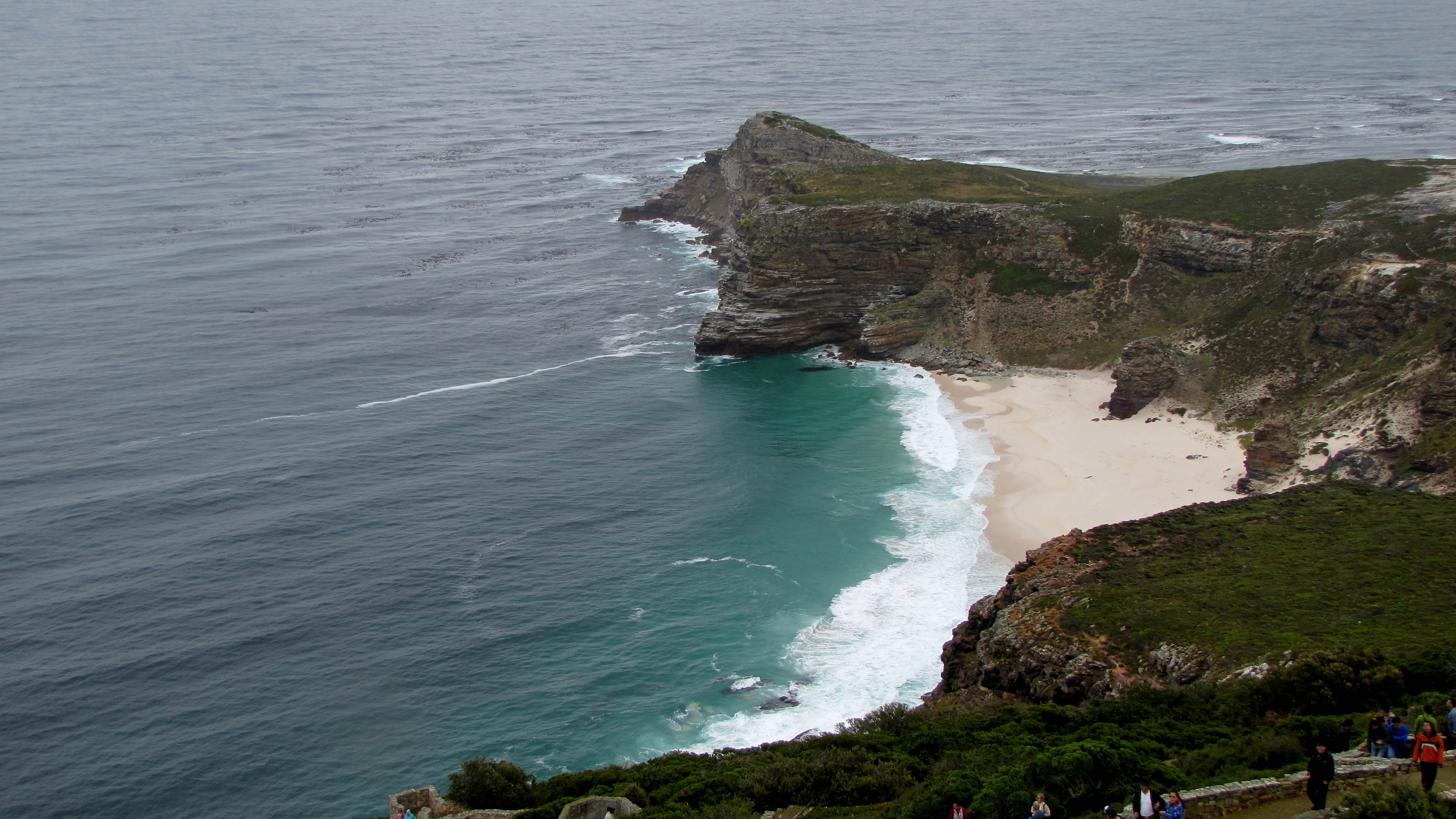
In 1488, Bartolomeu Dias rounded the Cape of Good Hope, leading the way for Vasco Da Gama ten years later to find a sea route to Asia. Dias initially called the southern tip of Africa, where the Atlantic and Indian Oceans meet, the “Cape of Storms.” This history changing discovery paved the way for European colonisation on a global scale. It also opened up a new era of torment and pillage of Africa and Asia.
In December 2011, Harmattan Theater collaborated with the Cape Malay community of Cape Town to create an environmental performance at the historic site of colonial arrival: Dias Beach at the Cape of Good Hope. The Cape Town Malays were brought to South Africa as part of the Dutch maritime slave economy to work as laborers in the seventeenth century. Under Apartheid, coloreds and Africans were prohibited from accessing the spectacular beaches and waterfronts of South Africa. For the Cape Malay, being muslim doubly ostracized them under Apartheid, posing difficult challenges to their cultural claims of being South African.
In Cabo de Tormentoso, the Cape Malay women of the former District 6 of Cape Town perform an excavation of memory and history at the historic Cape of Storms, later to be named Cape of Good Hope. Walking through a landscape they were prohibited from inhabiting for centuries, these women publicly reclaim a repressed past of diasporic migrations — a performance of memory, displacement and suffering, but also of compassion, ecstasy and tranquility.
Performance record